



Hand Picked Tanzania Itineraries
WHERE TO STAY IN RUAHA NATIONAL PARK
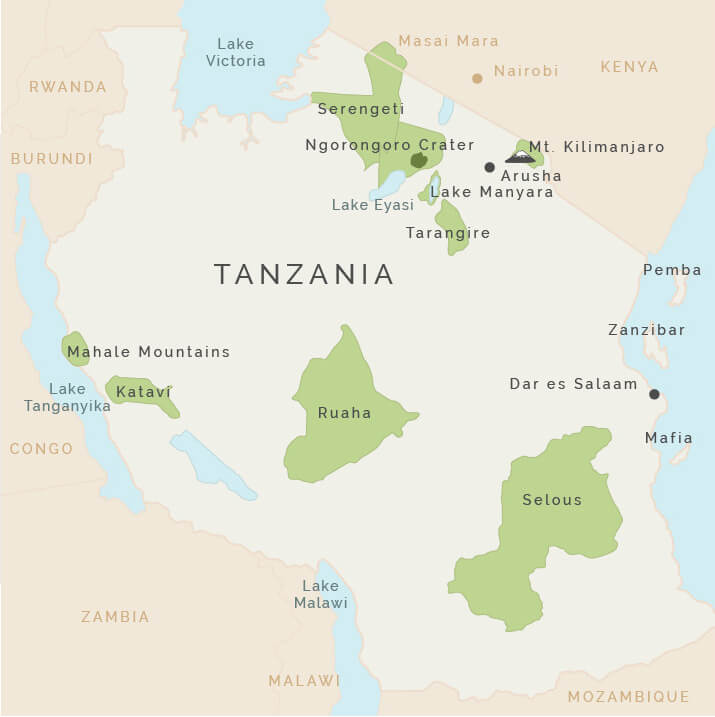
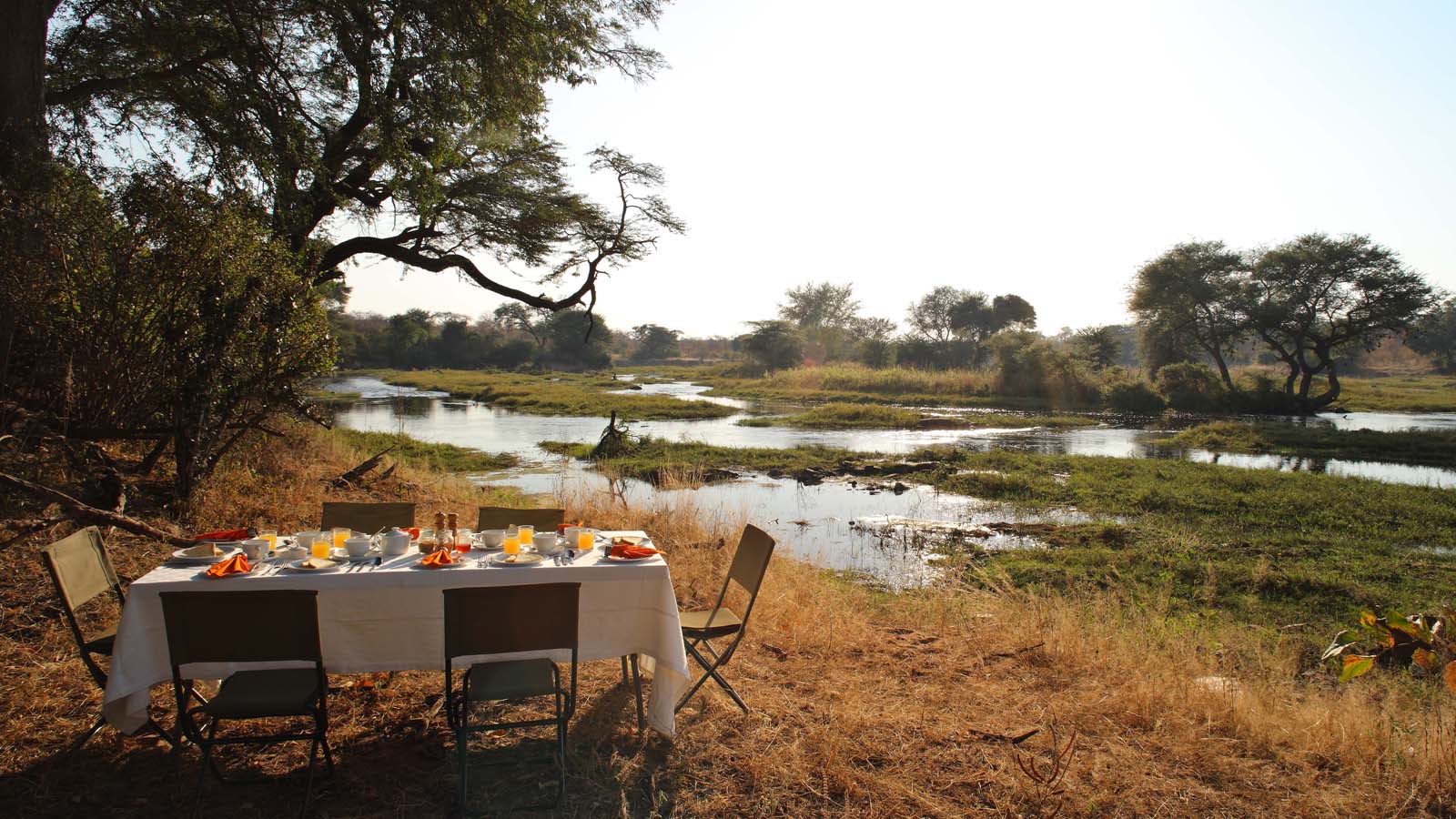
There are a couple of great top end camps in Ruaha, with Jongomero leading the way for luxurious accommodation tucked away in the far south of the park, then there is Ikuka with exceptional views from the escarpment and close to the Mwagusi river offering some of the best game viewing. Mwagusi is the oldest lodge in the park, and when the owner Chris Fox is in camp, this place can provide a safari experience to knock you sideways, one of our old favourites. Kwihala Camp and Kigelia Camp are two excellent adventurous luxury tented camps whereas Mdonya Old River is a great option for the adventurous with less of a budget. Ruaha River Lodge is by far the largest of camps in Ruaha in a superb location, though is not up to the standard of the others. For a summary of Best Places to stay in Ruaha please follow this link
Ruaha National Park Safari Prices
Prices very much depend on which lodge you stay at. For Ruaha though, you are looking at prices starting from around $400 per person per night all the way up to $1,500 per person per night. The best thing to do is to give us a call & we can discuss your plans and recommend a lodge which perfectly suits your style and budget.
Ruaha National Park Balloon Safaris
If you want a unique perspective on the beautiful landscape of Ruaha, yet still search for wildlife then a balloon safari is perfect for you. The sense of floating above the never-ending wilderness gives you a tranquility that is hard to be matched anywhere else. The price of the balloon adventure is $550 per person and although it may seem quite steep, we would thoroughly recommend the experience. It is a once-in-a-life-time opportunity that you will not regret.
We don't just know Tanzania!
For more information on Ruaha, the best thing to do is to give us a ring for an impartial chat. Although we love Tanzania, we also love the rest of Africa too and have experts in all the main safari countries. If you are undecided as to where to visit, please do just drop us an email or give us a call!
Client Reviews
Client Reviews
Ikuka Camp - Reviews
Fantastic lodge, couldn't fault it! The main owner Giles was there so we got to know him a bit. Nothing was too much trouble for Mark and his team, they have the experience just right from the coffee in your room before you go out for the early morning drives, to the G&Ts in the sunset only metres from elephants/buffalo.
Kichaka Camp - Reviews
Kichaka is a fantastic place,and for people who don't want to just count sightings it is the best.The team there are great,location fantastic and Ruaha is the best park we went to.Food was also the best we had and the eagerness to ensure we experienced everything was good.Would recommend this place to anyone who wants something different to the normal camps.
Jongomero Camp - Reviews
Just a quick note to say how much we enjoyed our holiday. Everything worked perfectly and all three Selous properties were excellent and provided great diversity. Jongomero was probably our favourite due to its remoteness and Molly and Noelle but we loved Selous and Ras Kutani as well. The trip was a perfect length, a day more or less at any of the places would not have been as good!
I couldn’t think of a better camp than Jongomero to remember as our last stop.
Mdonya Old River Camp - Reviews
Mdonya camp was the perfect way to immerse us all into the safari holiday. We enjoyed the day- long game drives, starting with coffee and cake brought to the tent, colourful Masai blankets to keep us warm until the sun came up and packed breakfast and lunch in the bush. We saw all the animals we wanted to see and were amazed at the knowledgable guides.
Mwagusi Safari Camp - Reviews
Mwagusi (Ruhaha Park) : we really enjoyed Ruhaha and the lodge. As promised, Mwagusi is amazing, the games drives were excellent – we had wonderful guides and driver (Isaac and Vicent) – and we brought back beautiful pictures