|
Don't go without the 2nd Edition Cadogan Guide to Tanzania and Zanzibar - writen by Annie - one of our consultants |
|
|
Tarangire National Park - Tarangire Safaris and Where to Stay
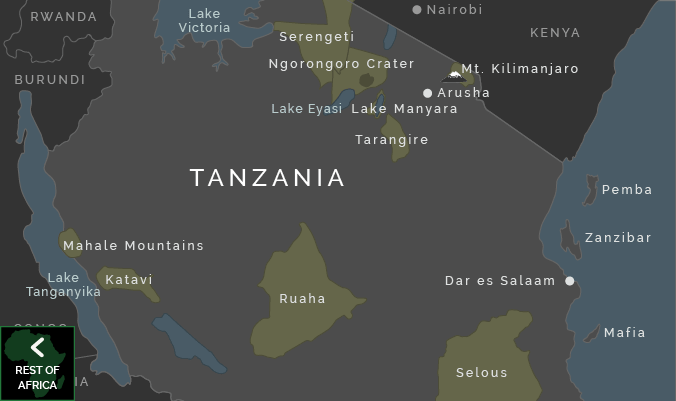
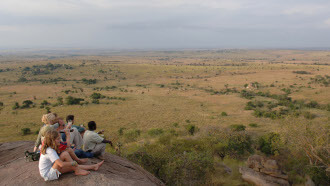
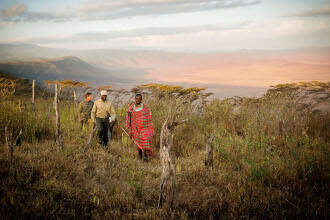
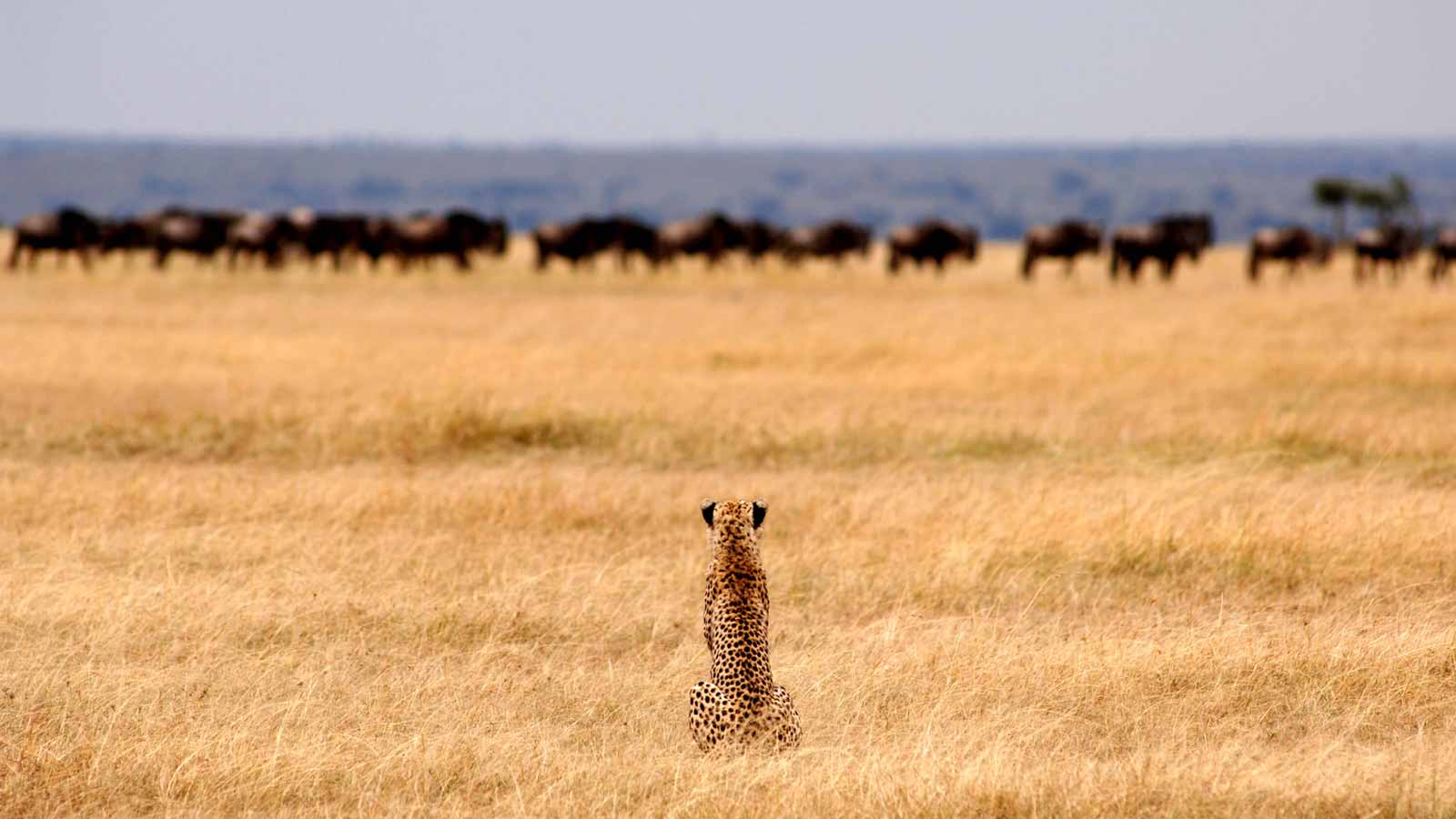
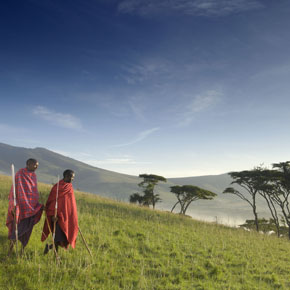
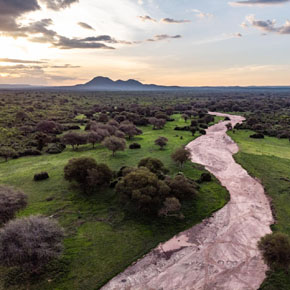
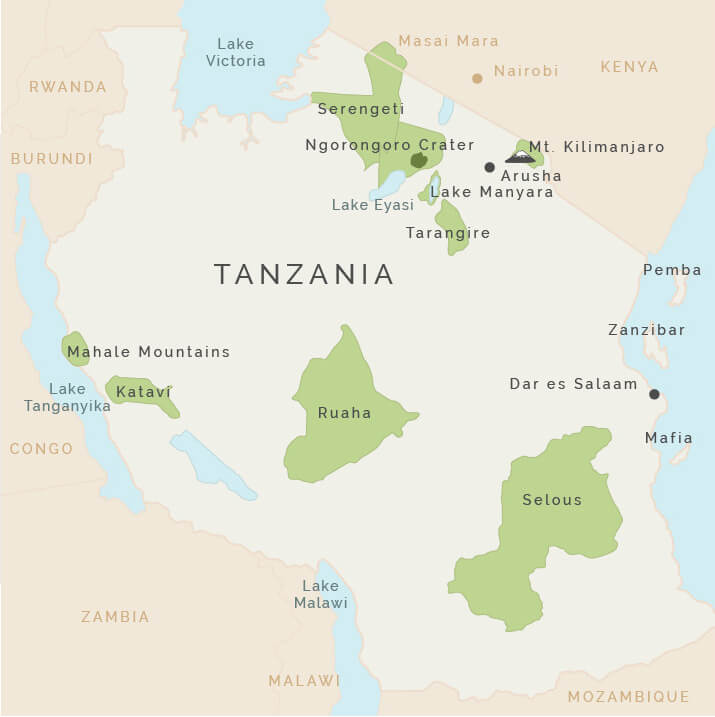
Tarangire NP is a quiet, seasonal park with wide views to distant volcanic mountain ranges. Tarangire covers 2600 sq km of grassland and floodplains, and a large proportion of tall acacia woodland just south of the open grass plains of southern Maasailand.
Click here for Tarangire Lodge Reviews
Tarangire: Landscape Tarangire has regions of quite dense bush, but with high grasses and huge old baobab trees instead of the green forests of Manyara.
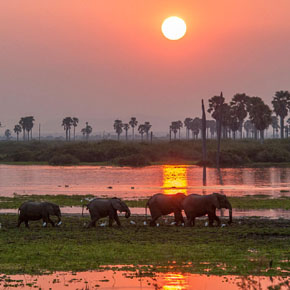
The land is hilly and dominated by the impressive valley of the Tarangire River, which attracts good numbers of migrant animals during the dry months, especially between July and September.
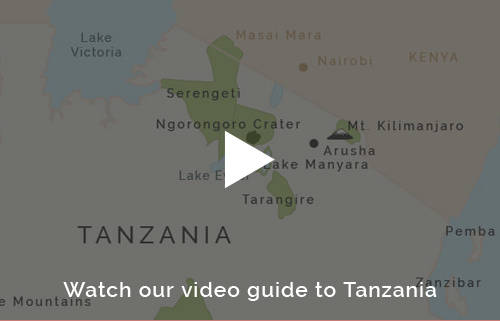
Take a moment to have a look at our Tarangire video.
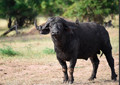
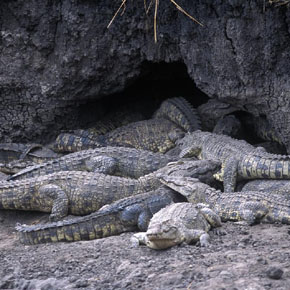
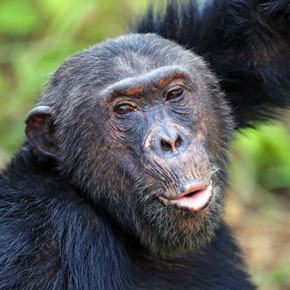
Tarangire: Wildlife During the dry months the concentration of animals around the Tarangire river is almost as diverse and reliable as in the Ngorongoro Crater, but the ecosystem here is balanced by a localised migration pattern that is followed by most animals other than lion, who don't tend to abandon their territory.
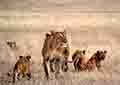
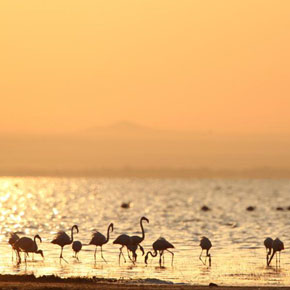
There are a fantastic number of colourful birds swooping and strutting along the rough paths throughout the year, with likely spots including the Paradise Whyder and endearing Yellow-collared lovebirds. There are a few resident lion, which are easier to spot when the migration arrives to excite their taste buds. In other months they look quite mean and lean and slip easily between the lengthening grasses.
Tarangire: Migration Patterns and When to Go
The animals mostly disperse during April and May, when there is widespread greenery, vegetation and standing water to encourage all the grazers further afield.
In June, the eland and oryxes begin to return, followed by elephant towards the end of the month. Tarangire is a great spot for elephant gatherings at the end of the rainy season in June, and zebra and wildebeest return together through July.
By mid-August all the animals are congregating around their last reliable water source, the Tarangire River.
The calving season falls in the early months of the year, through January, February and March, and so makes the most of the fresh grass during the rainy season.
Tarangire Lodges There are a good range of accommodation options in Tarangire, with something to suit all tastes. We have included all the lodges below, ordered by our ranking, and by price. Clicking on any of the links will bring up more information; our detailed view of the lodge, video, photos, key facts etc. As we have been to all these lodges ourselves, we would recommend a phone call or an email to discuss and to help you to decide which is right for you.
Ranking
- Outstanding
- Very good
- Good
- Average
- Poor
| |
|
|
Tarangire Treetops
Treetops very nearly got our top 5 paw rating; this lodge is simply beautiful. However, the camp’s location outside the park means a drive of up to an hour to get into the park, dropping its grading to 4 paw. But that really is the only negative... It is certainly the best accommodation standard in Tarangire. |
|
|
|
Oliver's Camp
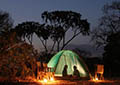
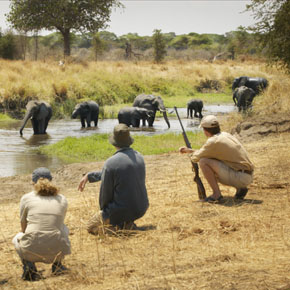
We love Oliver’s Camp and, since they offer excellent fly-camping and walking safaris inside the park, (the only lodge to arrange this here), it is certainly a connoisseur's choice. Nudging up to a 5 paw rating. |
|
|
|
Swala Tented Camp
Swala is a great camp cannot provide the fly-camping and walking experience that Oliver's can. Due to price and lack of activities, we therefore view Swala as a secondary camp to Oliver’s, which is leading way in this fantastic park!! |
|
|
|
Kikoti Tented Camp
Kikoti is a good value tented camp outside the park itself. Located near to Tarangire Treetops, this lodge shares the same areas as Treetops, and hosts a good population of elephant. A good option for an economical Tarangire visit. |
|
|
|
Tarangire Sopa Lodge
Tarangire National Park epitomises the subtle safari experience, and sadly the Sopa Lodge epitomises the opposite. It is vast, ugly and located in an area that should only have small, luxury camps. Wherever possible, we do not use this lodge. |
|
|
|
|
 |
|